
Lean construction blog
Practical posts for superintendents, project engineers and trade foremen who use the Last Planner® System on real projects.
This lean construction blog is written for the people who run the weekly planning meeting and live with its results. Each post takes one problem you'll recognize from site, such as a pull planning session that runs out of time, a huddle that turns into a status report or a trade that keeps arriving before its area is ready. Then it works through the problem with a hypothetical example, the research behind the advice and steps you can try on your next project.
New to the system? Start with the Last Planner System guide, then read about pull planning and the weekly work plan. If you'd like your team to practice before the project does, the Villego simulation lets them build a small villa twice and compare the numbers.
All posts
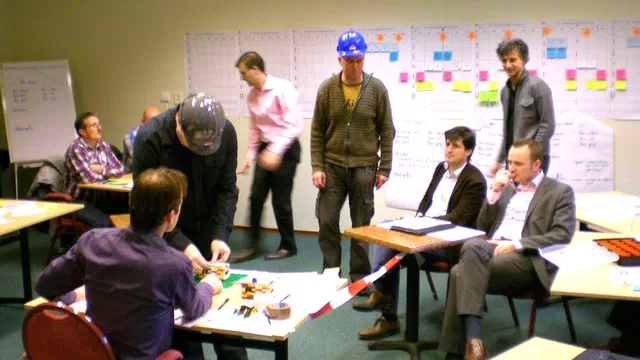
Construction superintendent training for reliable field planning
Build planning and facilitation skills through a 90-day training plan, coached foreman practice, and honest measures of promise reliability.
Read the post →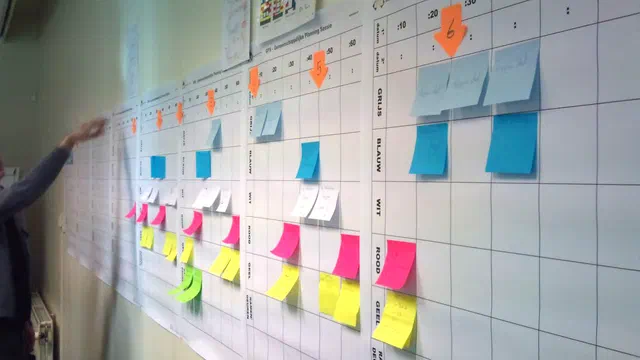
Location based scheduling and LPS: what each sees
A worked apartment-building example shows how flowlines reveal crew movement and how Last Planner turns that information into workable commitments.
Read the post →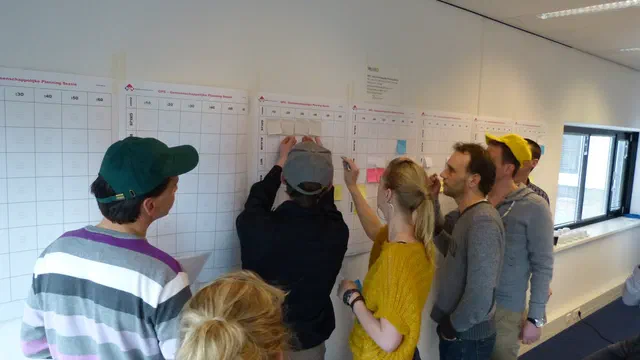
How to run a pull planning session as the facilitator
A facilitator’s guide to invitations, pre-work, room setup, a 150-minute agenda, difficult conversations, and the records your team needs afterward.
Read the post →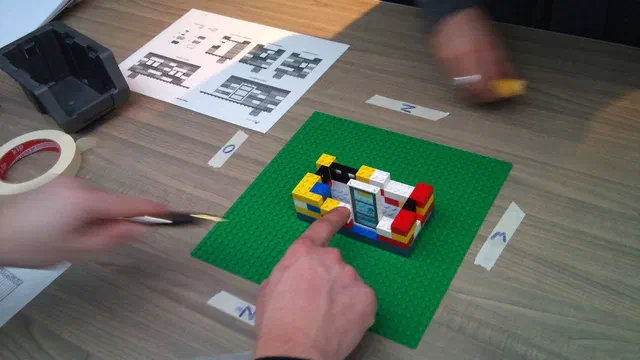
Takt planning and Last Planner on the same project
Takt sets the rhythm by area; Last Planner makes the work ready and secures commitments. See a worked building example and where a fixed beat needs a different approach.
Read the post →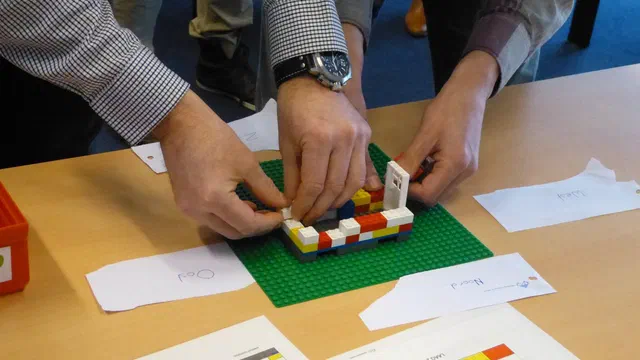
Subcontractor coordination without the Monday blame game
Move coordination from Monday blame to trade-owned handoffs. A practical weekly routine connects ready work, crew commitments and learning from missed promises.
Read the post →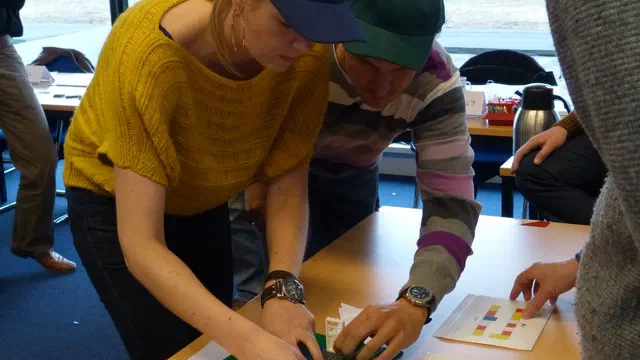
Construction team building activities that improve planning
Choose an activity that helps trade partners plan together, then carry the shared experience into your first pull plan.
Read the post →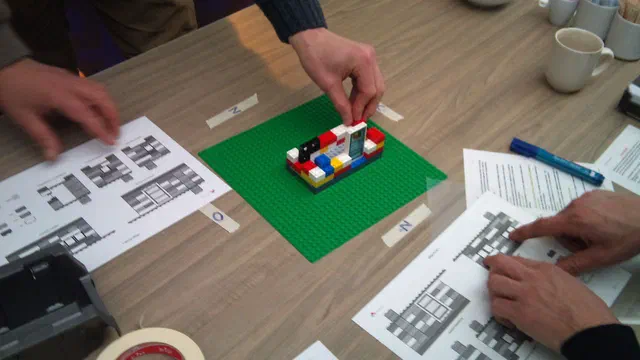
Root cause analysis construction teams can use after a missed promise
Move from a missed weekly promise to a tested countermeasure. Use reasons for variance, 5 whys, and fishbone diagrams without turning the review into blame.
Read the post →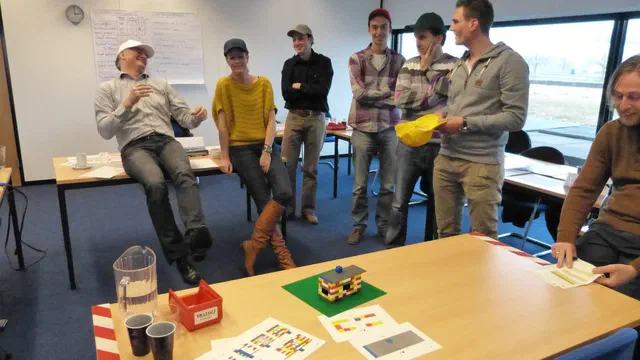
Daily huddle: protect your weekly construction plan
A short construction-site huddle checks weekly promises against actual progress. Use this agenda to confirm handoffs and act on tomorrow's risks.
Read the post →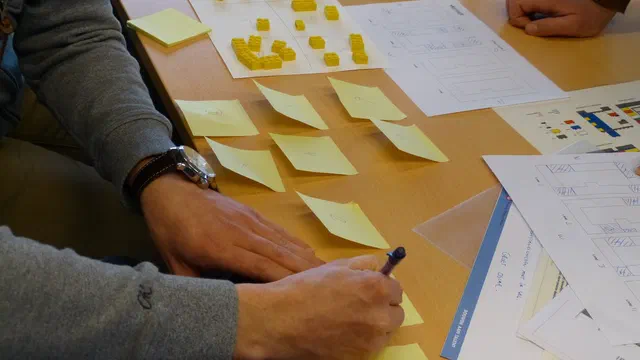
Pull planning sticky notes: a color code everyone can read
Use trade colors and separate symbols to make your pull planning wall readable. Standardize note fields, board layout and the record you share afterward.
Read the post →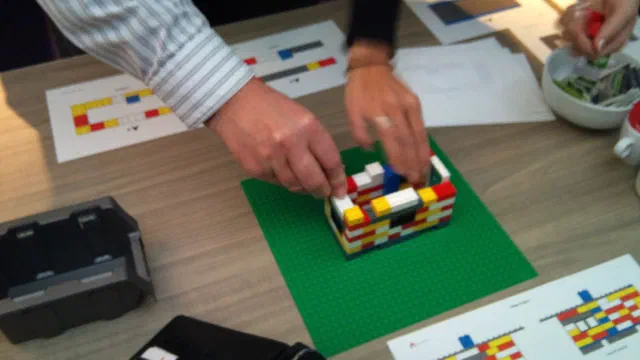
Construction productivity starts with reliable plans
Reliable weekly plans give crews ready work. Use independent productivity research and practical checks to reduce waiting, rework, and broken handoffs.
Read the post →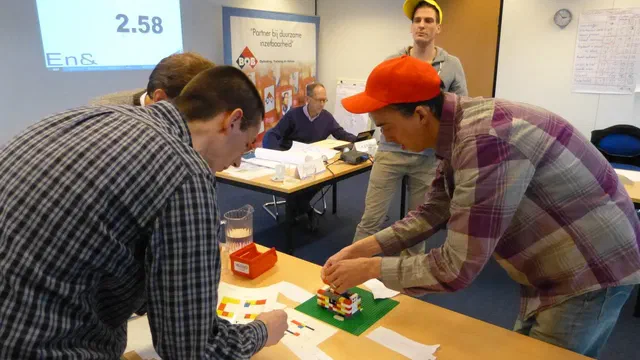
Lean construction books: a Last Planner reading order
Start with a practical Last Planner paper, then read the original research and lean foundations. Match each reading to a site exercise and your role.
Read the post →Teach the Last Planner® System in one day
One Villego kit runs a workshop for 7 to 15 participants. Ask us about kits, languages and delivery.